How to Make a Hard Detroit Beat That Hits Like "We Outside"
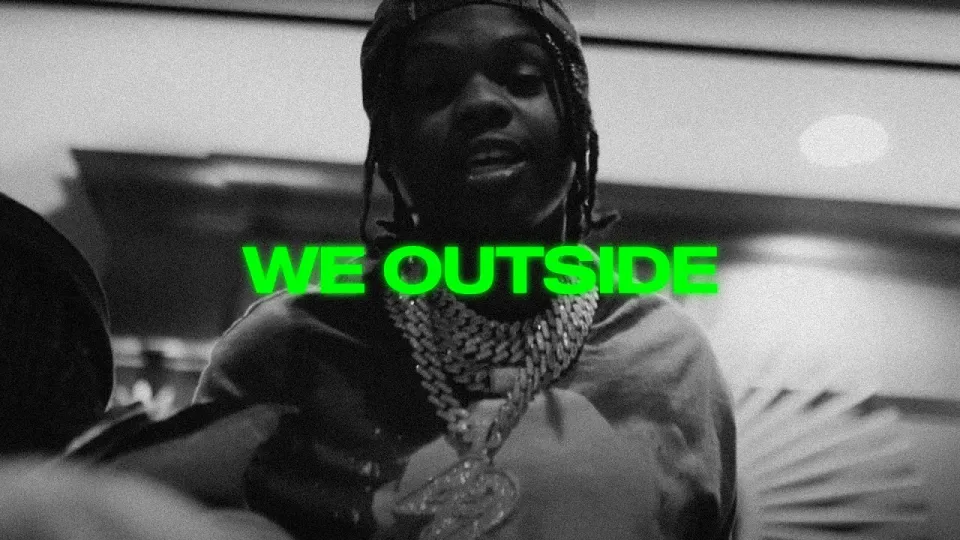
Video: (FREE) HARD DETROIT TYPE BEAT 2024 - "WE OUTSIDE"
You can order the same kind of articles for your own video to boost it on YouTube and Google. Just message the Telegram bot @sat_sit_bot. Articles with your video embedded are written and posted by the bot itself — on popular topical sites (no ads). Free trial — 50 articles.
· based on the channel davegotbeats
A hard Detroit beat is built from three core elements: a dark minor-key melody loop, aggressive 808 bass with slides, and a drum pattern that pushes forward at roughly 95–105 BPM. Get those three right and the track will carry the same menacing energy as the free hard Detroit type beat "WE OUTSIDE" from producer davegotbeats, which you can download and study through the purchase and download page.
What defines the Detroit sound in 2026
The Detroit style that dominates rap right now is less about one city's classic records and more about a shared production recipe: sparse, dark, and loud. Producers building a hard Detroit type beat typically start with a minor-key loop — piano, strings, bells, or a filtered vocal chop — then strip it down so the drums and 808 have room to hit. The tempo range is narrow for a reason. Below 95 BPM the bounce feels sluggish; above 105 BPM the 808 slides lose their weight and the track starts to sound like generic trap.
The drum kit matters as much as the notes. Hard Detroit beats lean on tight, dry kicks, sharp snares or claps on the third beat, and hi-hat patterns that switch between straight eighths and rapid rolls. The 808 is the lead instrument, not just the low end: it glides between notes, often following the melody rather than the kick, and it is tuned so the root note matches the key of the loop.
Building the beat step by step
Follow this order and you will avoid the most common mistake, which is writing drums before you know what the melody is doing.
- Pick a key and a tempo. A minor or F minor are safe starting points for a dark Detroit type beat. Set the project to 98–102 BPM.
- Write an 8-bar melody loop. Keep it simple: two or three notes repeated with one variation at the end of the phrase. Piano, plucked strings, and detuned bells all work.
- Add atmosphere. A reversed piano hit, vinyl noise, or a low pad fills the space without crowding the loop.
- Program the drums. Kick on the downbeats, snare or clap on beat three, closed hats in eighths with a 32nd-note roll at the end of every second bar.
- Design the 808. Tune it to the root, then write a pattern with at least two slides. Slides are what separate a Detroit beat from a standard trap beat.
- Arrange. Intro with melody only, drop the drums at bar 9, pull everything out for two bars before the second drop, and end on the loop.
Mixing for punch and clarity
The mix on a hard Detroit type beat is mostly a battle between the 808 and everything else. Start by high-passing the melody loop around 150–200 Hz so it does not fight the bass. Sidechain the 808 to the kick, or simply make sure they never occupy the same moment, so the low end stays clean. Saturate the 808 lightly instead of boosting it with EQ — distortion adds harmonics that make the bass audible on phone speakers.
On the drum bus, a slow attack and fast release compressor will glue the kick, snare, and hats together without killing the transients. Keep the snare loud; in this style it is the element that gives the beat its aggression. Leave headroom of around -6 dB on the master bus before you start any limiting, because streaming platforms will turn down anything that is pushed too hard.
Common questions producers ask before releasing
One of the most frequent questions under free type beats is whether the beat can really be used for free. The honest answer: a free download usually covers non-profit use only. The moment you distribute the song on Spotify, Apple Music, or any monetized platform, you need a license — the description of "WE OUTSIDE" states this explicitly. If you are only uploading a practice track to YouTube with no monetization, the free tag generally applies, but always check the producer's terms.
A second recurring question is how to stand out when hundreds of artists are rapping over the same free beat. The practical answer is to change the beat: pitch the loop, cut a section, add your own intro, or ask the producer for the trackout stems so you can rebuild the arrangement. A third question is about tempo and flow. If the beat feels too fast, write in double time; if it feels too slow, use triplet flows over the hi-hat rolls. Both approaches work over a 98–102 BPM Detroit instrumental.
Studying a free Detroit type beat as a reference
Producer channels are the fastest way to learn this genre because you can hear the finished result and reverse-engineer it. The channel davegotbeats published the free hard Detroit type beat "WE OUTSIDE" as a reference track, and its structure follows the recipe above: dark loop, heavy 808 slides, aggressive hats. Load it into your DAW, match the tempo, and map out where the drums enter and exit. That single exercise will teach you more about arrangement than any tutorial.
The producer also offers a bundle deal — buy two beats and get two free — which is useful if you are planning an EP rather than a single. For anyone starting out, the free catalog at davegotbeats.net is a low-risk way to practice writing to a professional-sounding instrumental before committing money to exclusive rights.
Final thoughts
Making a hard Detroit beat comes down to restraint: one dark melody, one aggressive 808 line, and drums that never overplay. Nail the tempo, tune the bass to the key, and mix so the low end stays clean, and your track will sit comfortably next to any hard Detroit type beat on the market. The free instrumental "WE OUTSIDE" from davegotbeats is a solid reference to measure your own work against, and the producer's catalog is worth digging through if you want more material in this style. When you are ready to release, grab the license and download through the official purchase page.
Key takeaways
- Detroit rap tempo usually sits between 95 and 105 BPM, with many hard Detroit type beats landing around 98–102 BPM.
- The signature sound is dark, minor-key melody loops (piano, strings, bells) layered over punchy 808 slides and fast hi-hat rolls.
- A free hard Detroit type beat from davegotbeats, "WE OUTSIDE", is available to download and study via https://bsta.rs/XPubtt.
- Streaming on Spotify or Apple Music requires a paid license even when a beat is labeled free for non-profit use.
- Buying two beats from the producer's offer gets you two extra beats at no cost.
Questions & answers
Can I really use a free Detroit type beat for a song I upload to Spotify?
No. A free download typically covers non-profit use only, so any distribution on Spotify, Apple Music, or other monetized platforms requires a paid license. The description of the "WE OUTSIDE" beat states this requirement directly. Buy the appropriate license before you release.
What tempo should a hard Detroit beat be?
Most hard Detroit type beats sit between 95 and 105 BPM, with 98–102 BPM being the sweet spot. Slower than that and the bounce drags; faster and the 808 slides lose their heaviness. Pick a tempo in that range and write your melody first.
How do I stop my 808 from clashing with the melody?
High-pass the melody loop around 150–200 Hz so it leaves room for the bass, and keep the kick and 808 from hitting at the same moment. A light saturation on the 808 adds harmonics that make it audible on small speakers without boosting the volume.
How can my track stand out if many artists use the same free beat?
Change the instrumental: pitch the loop, cut or extend sections, add your own intro, or request the trackout stems from the producer so you can rebuild the arrangement. Writing a distinctive hook and a different flow over the beat also separates your version from everyone else's.
Source: (FREE) HARD DETROIT TYPE BEAT 2024 - "WE OUTSIDE" · Markdown version